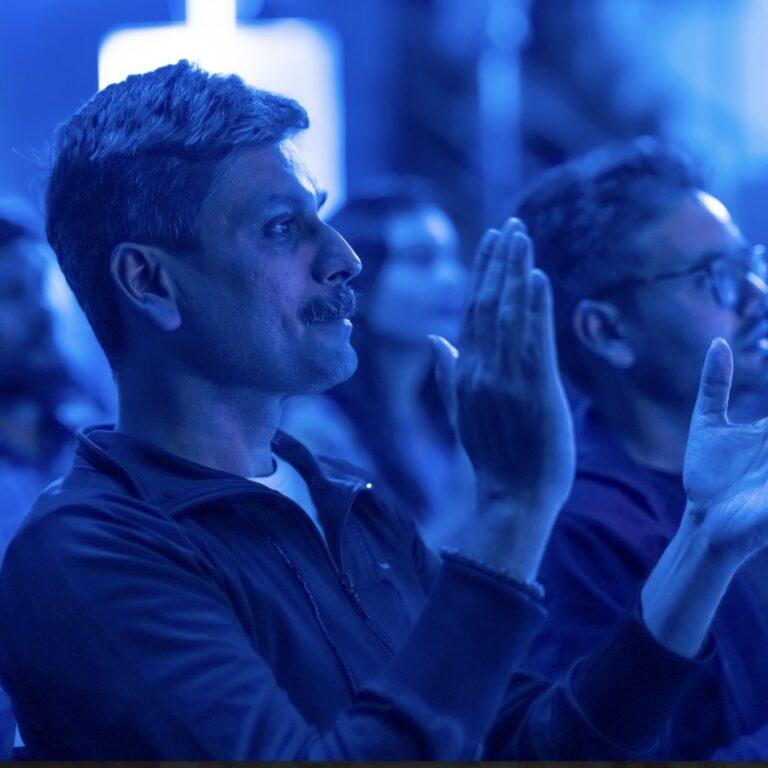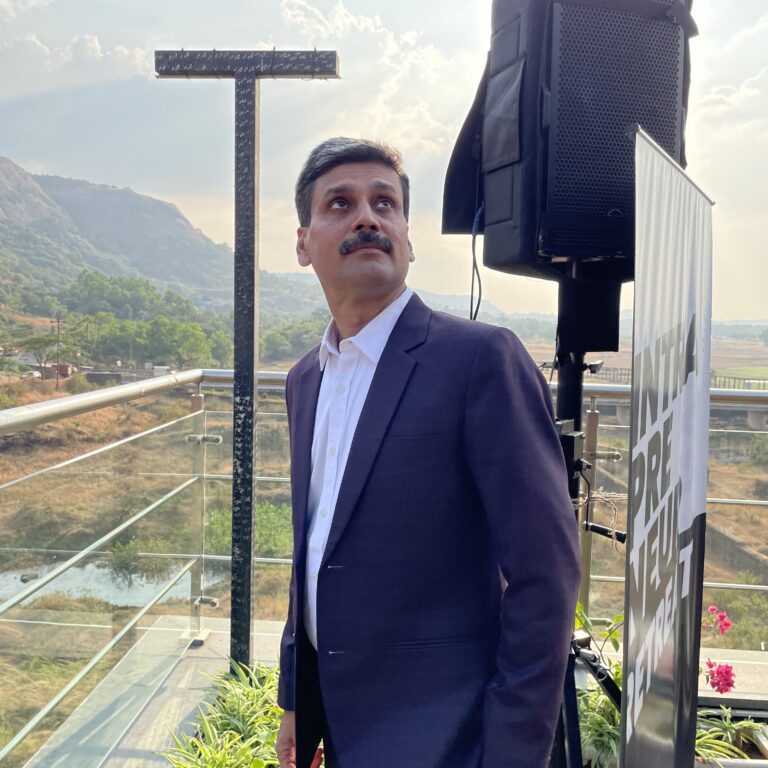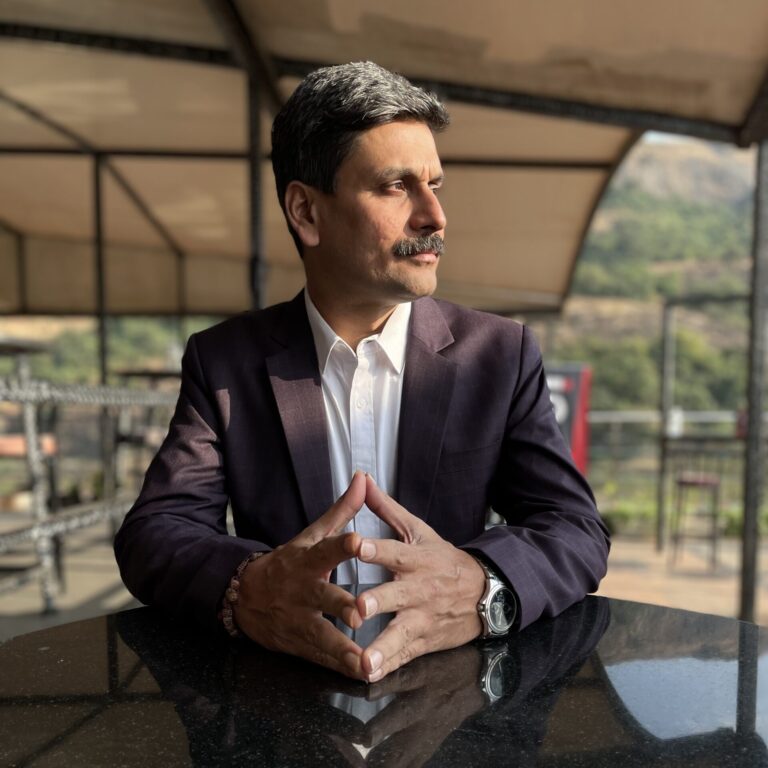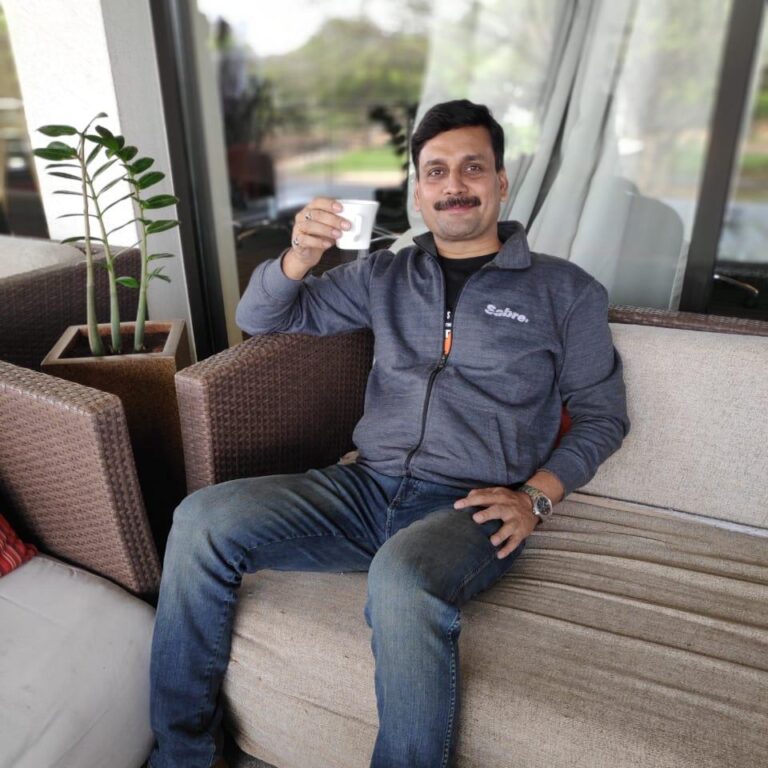

There is a quiet confidence in a body that moves with purpose. The image you see here captures that spirit — steady posture, focused gaze, and a sense of readiness. It reflects something deeply natural: youngsters are not designed to sit still for long hours. They are built to move, stretch, run, play, and challenge their physical limits.
Physical activity is not just about fitness or appearance. For youngsters, movement is a language through which the body and mind communicate. When the body is active, the mind becomes sharper, emotions feel lighter, and energy flows more freely.
In today’s world, many youngsters spend more time on screens than on their feet. This slowly disconnects them from their own strength. Sport and physical activity bring that connection back. Whether it is running, playing a game, cycling, swimming, or even brisk walking, movement wakes up the body’s natural intelligence.
A sportive lifestyle builds more than muscles. It builds discipline. Showing up for practice, pushing through fatigue, and staying consistent teaches youngsters how to handle challenges in life. The same mindset that helps someone finish a lap or complete a workout also helps them face exams, setbacks, and pressure with resilience.
Physical activity also plays a powerful role in mental well-being. When the body moves, stress hormones reduce and feel-good chemicals like endorphins are released. This is why youngsters who engage in sports often feel calmer, more focused, and emotionally balanced. Movement becomes a healthy outlet for frustration, anxiety, and excess energy.
There is also a strong link between physical fitness and self-confidence. When youngsters feel strong in their bodies, they trust themselves more. They stand taller, communicate better, and carry a sense of self-belief that cannot be taught through books alone. Confidence built through the body feels real because it is earned.
Sport teaches valuable life lessons naturally. Team sports build collaboration, communication, and respect for others. Individual sports build self-awareness, responsibility, and inner motivation. Winning teaches humility. Losing teaches growth. Every game becomes a classroom for life.
Another often-overlooked aspect is discipline through routine. A physically active youngster learns the importance of sleep, nutrition, hydration, and recovery. They begin to understand that the body responds to how it is treated. This awareness often leads to healthier choices and long-term well-being.
Physical fitness is not about becoming an athlete. It is about becoming capable. Capable of handling one’s body, managing energy, and staying active through different phases of life. A youngster who learns to enjoy movement early carries that habit into adulthood.
This image is a reminder that strength does not always look loud. Sometimes it looks calm, focused, and ready. Encourage youngsters to move daily, play freely, and respect their bodies. When the body is active, life feels lighter, sharper, and more alive. A strong body supports a strong mind — and together, they shape a confident, resilient generation.