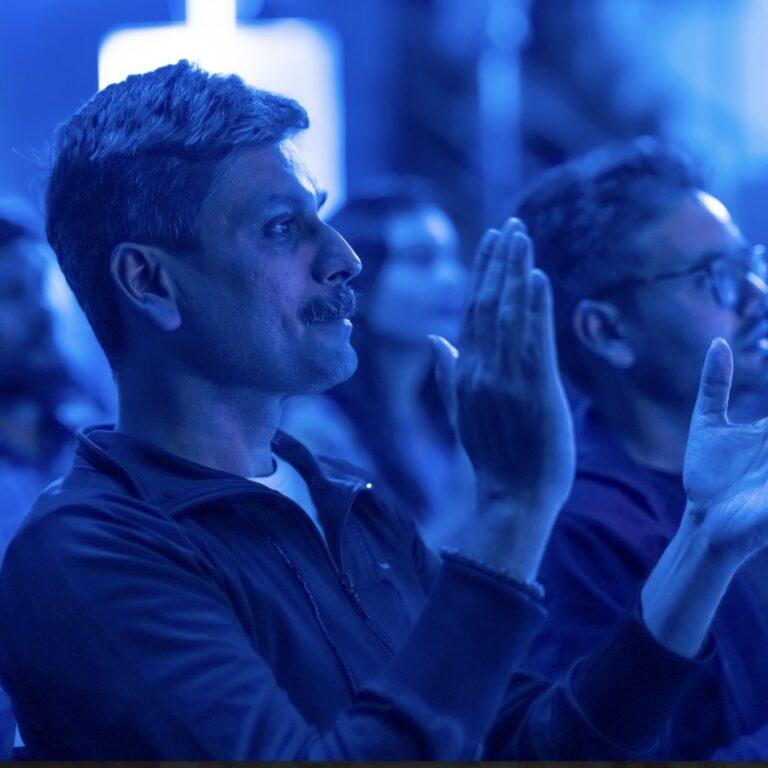

There is a quiet power in thoughtful stillness. In this image, the posture speaks before words do. Calm hands, a focused gaze, and a moment of pause. It reflects something every youngster needs to develop early in life — the habit of thinking before reacting.
Thinking is not just an academic skill. It is a life skill. The way youngsters think shapes the way they decide, respond, communicate, and grow. A strong thinking habit helps them navigate pressure, confusion, and uncertainty with clarity.
Today’s youngsters are constantly fed information. Social media, opinions, news, comparisons, and expectations reach them faster than ever. But information alone does not create wisdom. The ability to pause, reflect, and think clearly is what transforms information into understanding.
A healthy thinking habit begins with awareness. When youngsters learn to observe their thoughts instead of blindly following them, they gain control over their inner world. They start asking better questions. Why do I think this way? Is this belief true? What is the impact of this decision? This inner dialogue builds maturity.
Critical thinking is another essential aspect. It allows youngsters to analyze situations instead of accepting everything at face value. Whether it is peer pressure, trends, or advice, a thinking youngster evaluates before acting. This skill protects them from impulsive decisions and helps them choose wisely.
Thinking habits also influence emotional regulation. When youngsters are trained to think clearly, they respond instead of reacting. A pause between stimulus and response changes everything. It prevents regret, reduces conflict, and strengthens relationships. Calm thinking leads to calm action.
Problem-solving grows naturally when thinking is encouraged. Instead of feeling helpless when challenges arise, youngsters who think well look for options. They break problems into parts, explore possibilities, and take responsibility for solutions. This builds confidence and resilience.
Another powerful thinking habit is reflection. Reflecting on experiences helps youngsters learn from mistakes without shame. Reflection turns failures into lessons and success into insight. It deepens self-awareness and strengthens character.
Thinking well also nurtures independence. A youngster who can think clearly does not rely blindly on others for validation or direction. They listen, learn, and then decide. This balance between openness and self-trust is crucial for leadership and personal growth.
Silence plays an important role here. Moments of quiet thinking, journaling, or mindful observation allow the mind to settle. Just like the still posture in this image, clarity often emerges when the mind is not rushed. Encouraging youngsters to spend time away from constant stimulation strengthens their thinking muscles.
Good thinking habits are not about overthinking. They are about clarity, balance, and direction. A well-trained mind knows when to analyze and when to let go. It knows how to focus without becoming rigid.
When youngsters develop strong thinking habits, they don’t just become smarter. They become wiser. They make better choices, build healthier relationships, and create purposeful lives.
The future of any youngster begins in their mind. Teach them how to think, not what to think. A calm, clear, and conscious mind becomes the foundation for a confident, capable, and holistic life.